
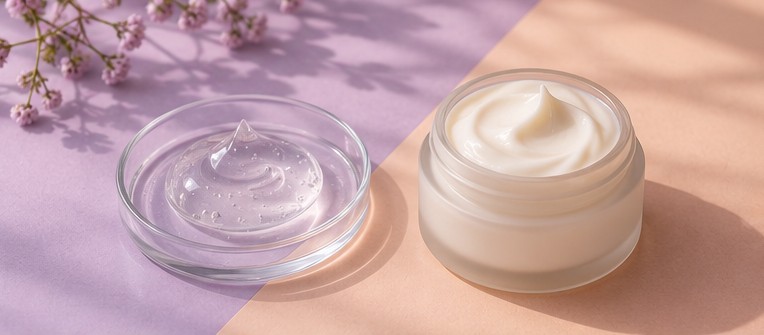
If the forehead feels oily while the cheeks feel dry, compare the two areas separately. Start with one simple wash and use products according to their labels.
Read the first skincare routine guide
Think in areas, not a single label
Combination skin describes different patterns in different parts of the face. You might notice shine on the forehead and nose while the cheeks feel tight after cleansing. You may notice both on one day, or only during certain weather. This description can help you choose where to apply a product and how to test a change. It does not tell you the cause of persistent dryness, irritation, or any skin condition. Seek professional advice if symptoms are severe, persist, or worsen.
For one ordinary day, look at the areas separately. Before washing, check how the cheeks and forehead feel. After washing and patting dry, check them again. Later, notice the same areas without pressing or rubbing. A clear observation is “forehead looked shiny at lunch and cheeks felt tight just after washing.” It gives you two smaller things to consider. You do not have to try to make your entire face look and feel the same.
Start with one gentle wash
If you wash in the morning, use a gentle cleanser and lukewarm water. Apply with your fingertips, rinse, and pat dry. The American Academy of Dermatology recommends gentle washing rather than scrubbing. Take a moment to rinse near the nose, hairline, and jaw. Resist the impulse to press harder where you see more shine. A thorough rinse can remove cleanser residue without rubbing another area that already feels dry.
If you feel comfortable in the morning and have little to remove, a rinse with lukewarm water may suit you. Compare it with a gentle wash on an ordinary day. Keep your other care familiar so the wash is the clearest difference. Your conclusion might be that you prefer a rinse on usual mornings but like washing after heavy exercise. That is a usable result even if the two mornings do not have identical steps.
At night, wash gently after you have finished wearing the day’s products. If makeup or sunscreen has specific removal instructions, use the method that fits it and the area where it was applied. For example, a targeted makeup remover may be useful for long-wear eye makeup while a gentle wash is enough for the rest of your face. Do not scrub the cheeks just because you are addressing residue around the eyes or nose.
Adjust moisturizer by location and time
If your cheeks need more comfort after washing, try your usual moisturizer there according to its directions. If the forehead feels comfortable but the cheeks are dry by bedtime, you can compare a richer texture on the cheeks. The AAD recommends creams or ointments over lotions for very dry skin. Check the product label and use an option meant for the area. You may also find that the same product suits you when you change its application time rather than its texture.
Some people prefer a lighter texture across the face and a richer product on dry areas. Others use one moisturizer and apply it where it is useful. Start with the option that is easiest for you to describe and repeat. The number of products is less important than being able to explain where and when you use them. If a moisturizer feels heavy in one area, it may still do a useful job in another. You do not have to throw it away to compare a different finish.
If your forehead looks shiny after moisturizer and sunscreen, compare how it looks before you apply the optional layer. Use sunscreen according to its label. You may find a sunscreen has its own finish or that the two products feel different together. Do not reduce the amount of sunscreen to address shine. You can compare a lighter moisturizer or use it only where needed, while leaving the sunscreen step intact. Shade, a hat, and protective clothing are useful parts of your outdoor plan.
Keep treatment directions clear
If a clinician has told you to apply something to a certain area, keep doing that as directed. Notes about shine and dryness may be useful to discuss with the prescriber, but they do not replace instructions. Keep a copy of the label and timing where you can see it. If you want to change when you use a moisturizer or another product and are not sure whether it fits your treatment, ask the prescriber or pharmacist.
Avoid comparing several optional items when you already have a change to a prescribed routine. It is harder to explain what happened when you changed the wash, moisturizer, and a treatment on the same day. Note where you used each item and when you noticed symptoms or a change in comfort. That information can make a later conversation more specific and easier to follow.
Compare a regular day, a cold day, and an exercise day
On a usual workday, rinse or cleanse gently as needed, moisturize where it helps, and use sunscreen as directed before going outdoors. After lunch, notice whether a shiny area also feels uncomfortable. If it feels fine, you may not need to change the wash. On the same day, the cheeks might feel tight after your evening routine. Treat that as its own observation. Use the lightest intervention that addresses the actual problem, such as washing with more comfortable water.
On a cold day, the sides of your face may feel dry after being outdoors, especially where clothing rubs. Notice when that starts. If the cheeks were already tight before your evening wash, the wash alone may not account for the sensation. Try keeping a gentle washing technique and consider a suitable moisturizer on the area. When you compare two evenings, note whether one followed a colder walk or a longer time outdoors. Those changes give context for what you feel at the sink.
On an exercise day, the AAD advises washing after heavy sweating. If you do an early workout and then wash, that can be your morning wash. Use a clean towel to blot rather than rubbing. If you are outdoors, follow sunscreen directions for reapplication after sweating. After you return home, notice whether discomfort started during the workout or after washing. The answer can help you decide whether to change the wash, the product, or a practical detail such as the towel you carry.
Reduce friction before adding products
Think about the practical parts of the routine. If you always wash in the shower because the bathroom sink is crowded, hot water and a rushed wash may be harder to avoid. Clear a short space near the sink for a towel and cleanser, then try a comfortable wash there. If your moisturizer is hard to find after washing, move it closer. You may get a better comparison by changing the setup before replacing anything.
If you use two moisturizers, put them where you will remember their purpose. You might keep a lighter product near the items you use before work and a richer product near a night routine. Label the intended areas in your notes if you keep forgetting. Check directions before putting a product in another container. An unmarked travel bottle can make the routine confusing if you bring several similar textures away from home.
A three-line log for your next comparison
Write down the day, the area, and the change you tried. A note might read: “Tuesday evening, usual cleanser at the sink, used lukewarm water instead of a hot shower. Cheeks felt comfortable at bedtime, forehead looked the same.” The note tells you where and when. It does not claim the water temperature explains every difference. Try repeating the same change on another similar evening if it was comfortable.
Or write: “Thursday before work, used usual sunscreen as directed. Used lighter moisturizer on forehead only. Less noticeable finish at lunchtime.” If the weather or makeup changed too, note it separately. You can still learn something from the day, but do not treat the comparison as proof about every product of that type. The purpose is to decide which version of your routine you prefer, in the circumstances you actually experienced.
If you are not sure which product was used, keep the labels and read them next time. Product names and formulas can change even when packages look familiar. If you have a known sensitivity, check the ingredients and follow professional advice. Stop using a suspected product after an unexpected reaction and ask for care if symptoms are severe or continue. A short dated record can help you describe what happened without deliberately repeating it.
Make a choice about an area, not your whole face
Suppose you want to shop for a cream. Decide whether you are looking for comfort after washing, a richer finish at bedtime, or another job. Read where the cream is meant to go. If you like your current routine on your forehead, leave that part alone while you consider the cheeks. A small package can make a comparison easier if you do not know whether you will like the finish. Follow its directions and keep the label to compare later.
The same principle helps when you add a lighter product. Ask how you plan to use it under other layers and whether you need it everywhere. If your cheeks feel dry while the forehead is fine, you might keep your existing moisturizer on the cheeks and skip buying another choice. If the finish is a problem under sunscreen, read the sunscreen directions and make changes to optional layers only as appropriate. Keep sun protection a distinct task.
Make a simple map before you change the shelf
Draw two or three areas on a piece of paper or list them in a note. You might use forehead, nose, and cheeks. Put a time beside each observation. A map written after an evening wash might look different from one written after a walk to work. That is useful information. Compare the same parts of your face at similar moments, and leave a blank when you did not notice anything that mattered. There is no need to score every area.
On the first day, keep the routine familiar and write down what you normally do. On another similar day, change one optional step. For example, use your usual cleanser and sunscreen, but try moisturizer as directed only on the dry areas where you need it. Record whether the area you changed felt different. If a label or prescribed direction says to use the product elsewhere or at a different time, follow that direction and choose a different comparison. The exercise is about finding an ordinary routine, not about conducting a test at the expense of the instructions.
Notice patterns when your day is unusual
A travel day can combine changes in the water you use, the weather, and how often you wash. If you notice dry cheeks after arriving, make a brief note before replacing your products. Try the familiar basic steps at the next wash. Use comfortable water, a clean towel, and the moisturizer you already know how to apply. Keeping the packages labeled is especially useful when you bring two products that look alike. It lets you reread the directions instead of guessing which one you packed.
If you have an event and expect to wear more makeup than usual, keep the removal method in view as well. Some makeup calls for a separate remover, which can make that evening different from your usual wash. Check how the areas feel afterward and avoid assuming an unusual evening means your normal routine has failed. When you get back to a regular day, check the same areas at the same times before making lasting changes.
Review what is already working
A useful review includes the parts of your routine you would like to keep. If a gentle cleanser feels comfortable across your face, leave it in place while you compare moisturizer on a dry area. If your sunscreen works as directed but looks shiny alongside a particular optional layer, compare that layer instead. Keeping familiar steps gives you fewer things to explain later and makes it easier to return to the routine you already know.
Write one change you might make next, then give yourself a chance to use it on an ordinary day. Check whether it solves the particular problem it was meant to address. If you are comfortable, you can stop there and keep the rest of the routine.
Questions readers ask about combination skin
Do I need to wash my forehead more than my cheeks? Use a gentle wash and light pressure across the face when you need to wash. If the forehead looks shiny later, first notice whether the shine follows sunscreen, makeup, activity, or a normal stretch of the day. Check comfort separately. Extra scrubbing on one area is not a useful way to evaluate it.
Do I have to use a different moisturizer for every area? No. If one product works where you use it, keep it. Compare a different texture when you can name a reason, such as wanting more comfort on your cheeks at night. Read the product directions and use it where intended.
What if my face changes as the seasons change? Think about the time and setting rather than trying to pick a permanent label. You may need more comfort on a dry area in winter or a lighter finish on a warm commute. Keep the steps that already work and change one practical detail at a time. That helps you see whether the change suits the new conditions.
Could an uncomfortable part of my face be something other than combination skin? A skin type description does not explain a rash, persistent irritation, or worsening symptoms. Ask a clinician if the pattern is concerning. Bring product names and notes about timing and location. Those details can make the discussion more useful than just saying one area is oily and another feels dry.
Keep the next step small
Choose the area you notice most often and make one change you can compare. You might try softer pressure, a sink wash with lukewarm water, or a suitable moisturizer on the cheeks. Keep the rest familiar, follow labels and prescribed instructions, and check how that area feels on another similar day. The result can guide a useful next step without making every part of your face follow the same rule.
Learn how to notice changes by area